

The Short Answer: Preparing your boat for summer starts with a thorough inspection of your engine, fuel system, and electrical components, followed by a complete cleaning and surface protection routine. Checking safety equipment like life jackets and fire extinguishers, reviewing your boat insurance, and addressing any issues from winter storage round out the process.
The summer months are prime time on the water, but jumping straight from dry storage to open throttle without a plan is a recipe for breakdowns, safety risks, and avoidable damage. This guide walks through every phase of summer boat preparation, from engine and fuel system checks to surface protection and safety gear.
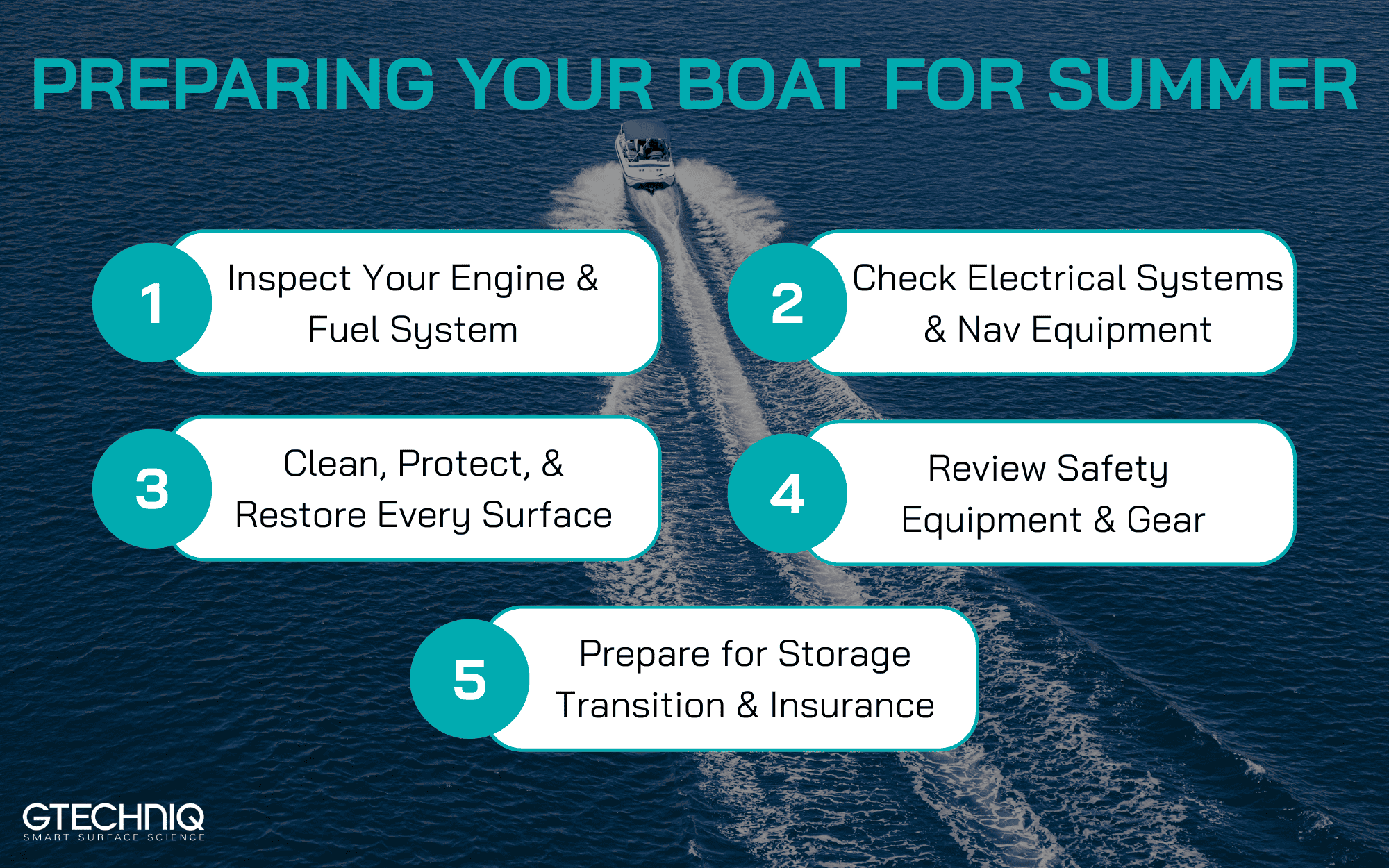
Inspect Your Engine and Fuel System
Fuel degrades, components corrode, and small problems left unchecked over winter turn into expensive ones on the water. Starting here catches the mechanical issues most likely to sideline your boat mid-season.
Engine Check
Start with a visual inspection of your boat engine, looking for cracked hoses, corroded fittings, loose belts, and any signs of oil or fluid leaks. On an outboard motor, also inspect the propeller for dings, bent blades, or fishing line wrapped around the shaft. Replace spark plugs at least once per season, and check your engine oil and lower unit gear lube levels at the same time. If either appears milky or discolored, that can signal water intrusion, which needs immediate attention before you launch.
Fuel System Inspection
Gas that has been sitting in the fuel tank for more than a few months without a stabilizer may have broken down enough to clog your fuel filter or gum up your injectors. Inspect fuel lines for cracks, soft spots, or loose connections, and replace the fuel filter as part of your seasonal routine. If you notice water in the fuel separator or sediment in the filter housing, always drain and flush the fuel system before adding fresh fuel.
Cooling System
For raw-water-cooled engines, inspect the impeller inside the water pump. Impellers wear down over time and can fail without warning, leading to rapid overheating and potential damage to internal components. Check all cooling hoses for swelling, cracking, or soft spots, and flush the system if it wasn’t done before winter storage.
Check Electrical Systems and Navigation Equipment
Corrosion, loose wiring, and dead batteries are common after months in storage. A thorough inspection of your electrical system before launch catches problems that are far harder to diagnose on the water.
Electrical Connections and Components
Start at the battery by checking the terminals for corrosion and cleaning them with a wire brush or terminal cleaner. Once the connections are tight, test the voltage with a multimeter to confirm the battery is holding a full charge. From there, trace the main wiring runs and look for frayed insulation, loose terminal connections at switches and fuse panels, and any blown fuses or tripped breakers that may indicate an underlying short.
Navigation Lights and Systems
Federal and state boating regulations require working navigation lights for operation between sunset and sunrise and during periods of reduced visibility. Test every light on board before your first outing of the summer season, and replace any dim or flickering bulbs. For boats equipped with GPS, chartplotters, or fishfinders, power up each unit and confirm that navigation systems are functioning properly.
Bilge Pump and Electronic Equipment
Test the bilge pump by pouring water into the bilge and verifying that the automatic float switch activates. Run the manual override to confirm both modes are operational. Check that your VHF radio transmits and receives clearly, and cycle through any additional electronic equipment to catch potential issues before they become problems on the water.
Clean, Protect, and Restore Every Surface
Months of storage leave behind grime, oxidation, and UV damage that worsen quickly once your boat hits the water again. A thorough cleaning paired with the right surface protection keeps your boat looking sharp and reduces long-term wear on gelcoat, metal, and trim.
Thorough Cleaning from Hull to Topside
Start at the hull and work your way up, removing any growth, water stains, or scum lines with a marine-specific hull cleaner and a non-abrasive pad to avoid scratching the gelcoat. For the topside and deck, a pH-neutral marine wash like Gtechniq UV Wash will lift the dirt, salt residue, and pollen that accumulated during storage. Pay extra attention to scuppers, drain channels, storage compartments, and any canvas or cushions that may have developed mildew.
Protecting Gelcoat, Metal Parts, and Trim
Once surfaces are clean and dry, turn your attention to protection. Gelcoat is your hull’s first line of defense against UV rays, salt, and water intrusion, but it degrades over time without regular maintenance. Oxidized gelcoat looks chalky and dull, and left untreated, it becomes porous and increasingly difficult to restore.
Metal parts like rails, cleats, and hardware are equally vulnerable, as saltwater and humidity accelerate corrosion on stainless steel and aluminum fittings. Inspect all metal components for pitting or discoloration, then apply a protective treatment after cleaning.
Why Ceramic Coatings Outperform Traditional Marine Wax
Traditional marine waxes offer temporary protection that typically lasts six to eight weeks before breaking down under UV exposure and saltwater contact, meaning frequent reapplication throughout the summer season just to maintain a baseline level of defense.
Ceramic coatings work differently. Rather than sitting on top of the surface, they form a chemical bond at the molecular level with gelcoat, paint, and metal, creating a durable barrier that lasts far longer. Gtechniq Marine’s ceramic coatings are engineered specifically for this environment and deliver measurable advantages over conventional products:
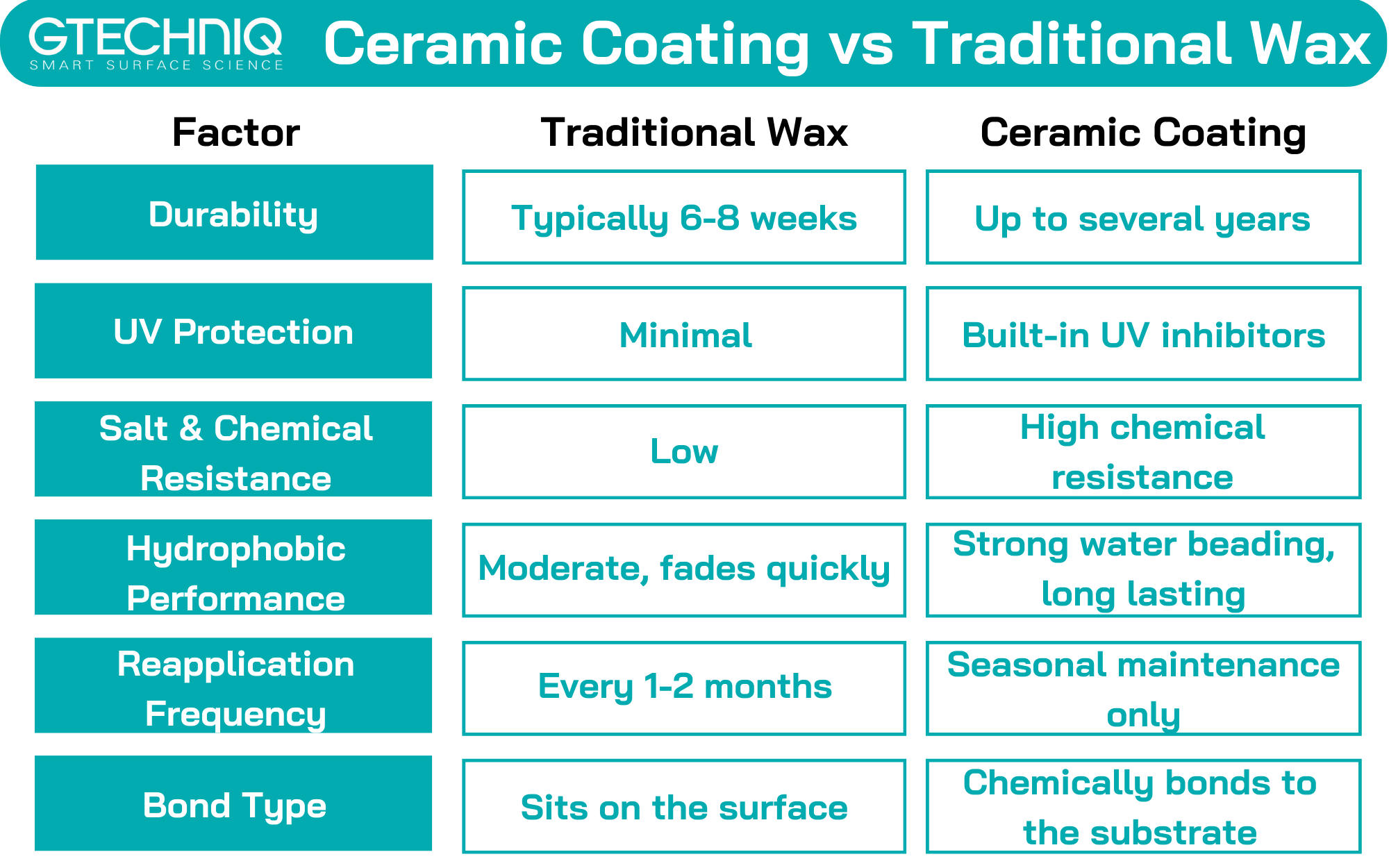
Gtechniq Marine Ceramic Top and Marine Ceramic Base repel salt, algae, and waterline buildup while preventing UV fading and oxidation on gelcoat and painted surfaces. The hydrophobic layer also makes post-outing cleaning significantly faster, since contaminants have a harder time bonding to the treated surface.
For boat owners looking for protection that actually lasts through the summer months and beyond, ceramic coatings are a clear step up from the wax-and-repeat cycle.
Review Safety Equipment and Gear
Outdated or missing safety equipment is one of the most commonly cited violations during on-water inspections. A quick review of your safety gear before the first launch ensures you’re both legal and prepared if something goes wrong.
Life Jackets and Fire Extinguishers
Federal law requires one U.S. Coast Guard-approved life jacket per passenger on board, with boats 16 feet and longer also carrying at least one throwable flotation device. Inspect each life jacket for ripped fabric, broken buckles, or deteriorated foam. For fire extinguishers, verify that each unit is fully charged, within its service date, and accessible rather than buried in a locker. Boats with enclosed engine compartments or fuel tanks are required to carry at least one marine-rated fire extinguisher.
Additional Safety Tips for Boat Owners
A complete safety gear inventory for the summer season should also include visual distress signals that are current and not expired, a functioning horn or whistle, a stocked first aid kit, and an anchor with adequate rode for your typical water depth. Check the weather forecast before every outing, not just at the start of the season. Conditions on the water can shift quickly during the summer months.
Prepare for Storage Transition and Insurance
How your boat was stored, how you relaunch it, and whether your documentation is current all factor into a smooth start to the boating season.
Moving from Dry Storage to Water
If your boat has been sitting in a dry storage facility or storage unit, inspect the hull thoroughly for cracks, blisters, or stress marks in the gelcoat that may have developed during the off-season before launching. Also confirm the drain plug is securely in place before the boat touches water.
Once you’re in the water, let the boat sit for 15 to 20 minutes and monitor the bilge for any signs of water intrusion before heading out.
Boat Insurance and Documentation
Before your first trip of the summer season, verify that your boat insurance policy is active and that your coverage limits still match the value of your boat and equipment. Keep the following documents on board or easily accessible:
- Proof of boat insurance
- Current registration and state decals
- Boating safety certification (required in many states for operators born after a certain year)
- Float plan filed with someone on shore for longer outings
Get Your Boat Summer-Ready
A few hours of proper preparation before the boating season pays off all summer long. From inspecting your engine and fuel system to checking safety equipment and restoring every surface, each step reduces the risk of costly repairs and keeps your boat in top condition when it matters most.
Traditional waxes break down within weeks under UV rays and saltwater, but Gtechniq Marine ceramic coatings bond at the molecular level to create a durable, hydrophobic barrier that holds up through the summer months and beyond, cutting down on maintenance while keeping your boat looking its best.
Ready to protect your investment? Explore the full Gtechniq Marine product line or find a certified Gtechniq Marine detailer near you to get your boat dialed in before launch day.